
Phase I: Virtual Engagement during COVID-19 Lockdown
Introduction (August 2021-October 2021)
Phase I began during nationwide school closures due to COVID-19 pandemic. We noticed a sense of confusion among teachers and the broader education community about how to continue student learning outside of a school setting. While many initiatives focused on technical training for online tools, we saw an opportunity to rethink broader educational assumptions. Rather than centering technology use alone, the program invited teachers to reimagine learning by drawing on a shared cultural model of a mandala, to explore connections among key components of teaching and learning. We were particularly curious about how play, materials, storytelling, design, and making contribute to more connected and relational sensemaking
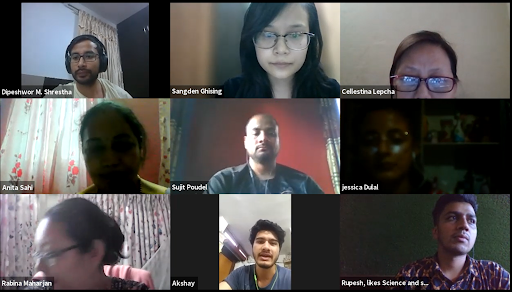
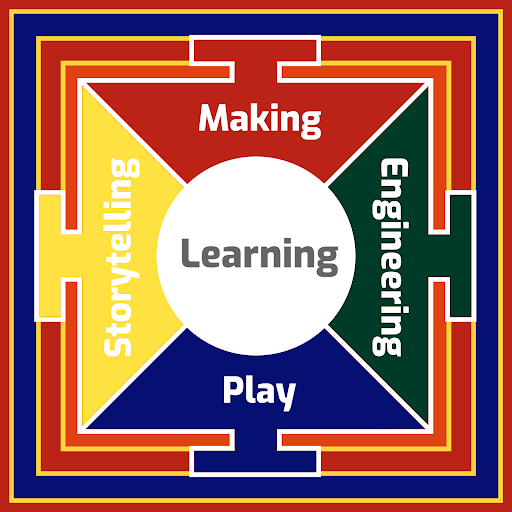
Figure A1: Virtual gatherings on Zoom (left) and components of a learning mandala (right)
Learning Community
22 teachers were recruited through an open call circulated within the Karkhana network, complemented by follow-up phone calls and email correspondence with school principals to ensure administrative awareness and support. The group included teachers from public and private schools, as well as informal educators who facilitated learning outside traditional classrooms, often drawing on expertise in areas such as making, design, or coding. Interested teachers completed an online application form after reviewing a one-page project overview that clearly outlined the goals of the study, the nature of the activities, and the expected time commitment. School administrations were informed about the project’s purpose and structure through this outreach process. Participating teachers received compensation at a rate of USD 15 per hour, as specified in the consent form, which also detailed the statement of research, purpose, duration, procedures and activities, and potential risks and benefits. Teachers’ motivations for participating included interest in playful, hands-on pedagogies, opportunities for professional growth, and the chance to contribute to a research-informed learning community.
Stages
1. Initiate connections: In January 2021, during nationwide COVID-19 school closures, we began conversations with educators and school leaders in our network in Nepal, noticing widespread uncertainty about how to sustain student learning beyond physical classrooms. These conversations informed the design of our sessions, addressing immediate concerns while foregrounding emerging possibilities, and helped us recruit teachers for the study.
2. Learn and Test: The teachers gathered virtually as schools in Nepal were still closed because of COVID-19. To accommodate teachers’ schedules, we created two groups of participants who gathered on Zoom for 90-minutes each week, for a total of 8 weeks (See Appendix B: Teacher Workshops).
3. Analyze and Iterate: We analyzed 11 interview transcripts and accompanying drawings to identify emerging themes, sharing developing insights with peer researchers to guide iterative analysis. A case study of Rupesh’s engagement served as a focal point, beginning with open coding of transcripts and followed by detailed examination of his iterated drawings. Comparing these representations revealed shifts in his thinking about play, making, engineering, and storytelling. This multimodal approach, combining fine-grained analysis of drawings with interview narratives, provided a rich lens into how teachers’ understanding evolved over time. We restructured the 8 workshops based on the analysis and emerging themes.
Key Insights
1. Centrality of Play: Participants increasingly positioned play at the core of learning, interwoven with storytelling, making, and engineering, suggesting that playful engagement was not peripheral but foundational to their evolving pedagogical thinking. Peer discussions within the PLC appeared to reinforce and refine this shared understanding. Based on this realization, Phase II introduced two sessions based on LEGO Education’s Learning through Play (LtP) framework, emphasizing the elements of joy, iteration, social interaction, active engagement, and meaningfulness.
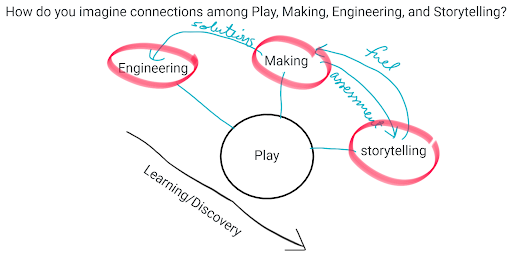
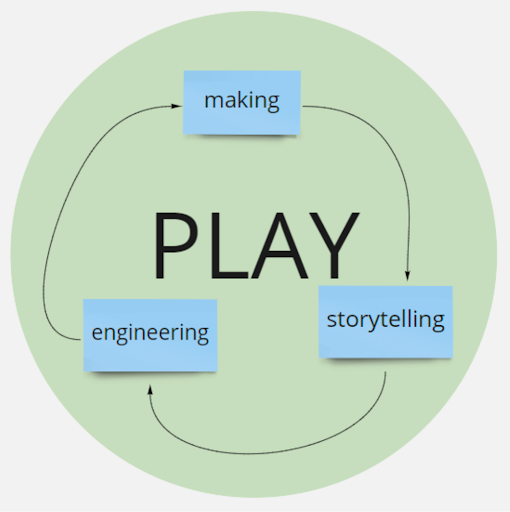
Figure A2: Teachers’ final iterations of how they constructed connections among play, making, engineering and storytelling
2. Supporting feedback culture: Teachers described a cultural hesitation toward giving and receiving feedback, shaped by norms that position teachers as authorities expected to have correct answers. This “no feedback” culture often discouraged the sharing of incomplete ideas or confusion, limiting opportunities for authentic reflection. The representational activities, however, created space for teachers to externalize and examine their evolving thinking. To further cultivate constructive peer critique, Phase II introduced a session titled Austin’s Butterfly, drawing on Ron Berger’s feedback framework: Be kind, be specific, be helpful, to normalize revision and establish a feedback culture.
3. Hybrid engagement as a possibility: Phase I validated that meaningful, hands-on learning could occur even in virtual settings as teachers actively participate in materials-based, playful activities from their own spaces. At the same time, in-person gatherings deepen relational trust and strengthen community bonds, allowing participants to connect more personally. For Phase II, we decided on a hybrid model that combined virtual flexibility with physical connection.