
Explanation
Asking teachers to imagine being students learning content while also holding onto the perspective of what teaching in new ways can entail.
Connections to Theory
As Duckworth (2006) mentions “First, teachers themselves must learn in the way that the children in their classes will be learning,” we wanted teachers to gain first-hand experience with hands-on, playful, and curated activities mirroring how their students might learn. The design element emphasizes the importance of positioning teachers in the role of learners, allowing them to experience the processes of exploration, inquiry, and reflection first-hand before translating them into classroom practice rather than only observing or discussing pedagogical strategies (Gerard et al., 2011). Further, inviting teachers to be learners themselves in novel arrangements of technology, activity, and reflection has been shown to deeply impact how they begin translating these practices into their teaching.
Examples
For Sarada, a math teacher, programming was a new concept. She attended Arduino coding sessions facilitated by Karkhana teachers alongside her students, exemplifying the shifting roles in making spaces where teachers become co-learners. Her role transformed from knowledge authority to that of an adult explorer, embracing learning alongside students. This environment empowered students to take initiative in their own learning and even guide teachers like Sarada, highlighting the mutual growth that occurs when both teachers and students navigate new concepts together, as learners.
When we introduced Novel Engineering, an integrated approach that uses classroom literature as a starting point for open-ended engineering design challenges, teachers used simple electronics like coin cell batteries, LEDs, and motors to prototype solutions based on the story of bunnies invading a farmer’s garden. While many proposed familiar fixes like lighting up LEDs or building motorized gates, Anita reimagined the task by attaching a spoon from her kitchen to a motstrcutreusor, creating a rattling sound to scare off the bunnies (Figure 12). This inventive use of household items highlighted for others that learning could extend beyond the provided kit to everyday use, found materials. Teachers later transferred this insight to their students, encouraging resourcefulness and creativity in their own learning environments during the COVID-19 pandemic.
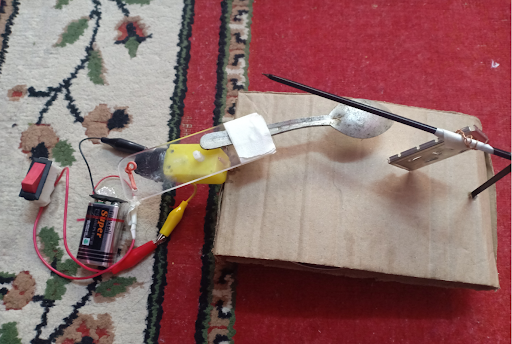
Figure 12: Anita’s Novel Engineering solution
Implications
PD should invite teachers to inquire, experiment, and reflect as active learners rather than passive recipients of training.